How FASHION Brands Are Building Worlds Beyond Clothes
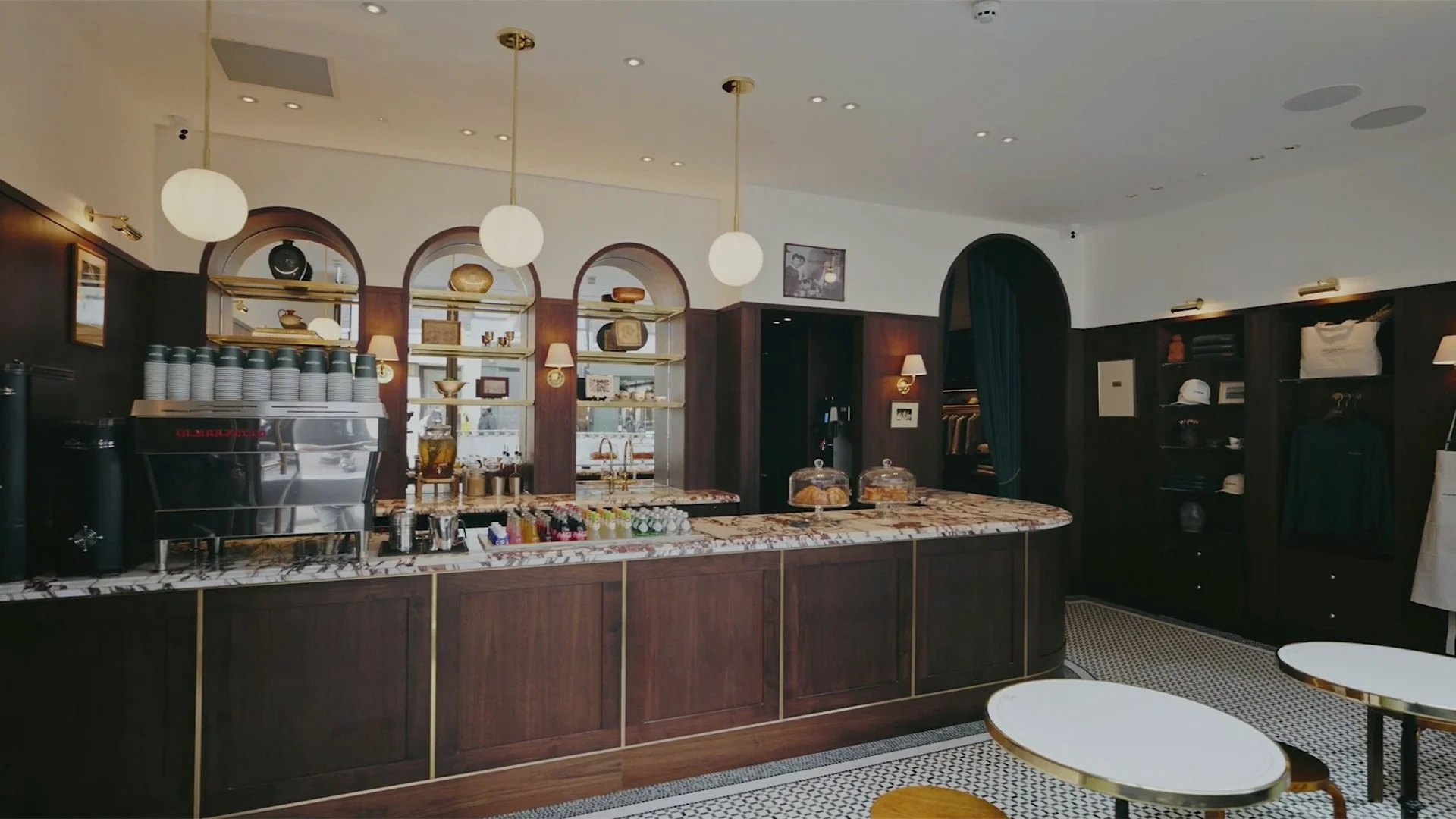
Aimé Leon Dore Flagship & Café Leon Dore
Fashion today is no longer just about what we wear. In recent years, the most forward-thinking fashion brands have begun expanding beyond apparel into lifestyle experiences, from coffee shops and florists to podcasts, galleries and concept spaces. These initiatives aren’t just brand extensions, they’re powerful tools for emotional connection, accessibility, and long-term loyalty.
As traditional retail faces pressure from e-commerce, and as consumers increasingly seek meaning and community from the brands they buy, fashion companies are realising that traditional retail stores and just selling products isn’t enough. The future belongs to brands that create worlds & immersive experiences that express their identity at every touchpoint.
The Shift: From Selling Products to Selling a Lifestyle
We’re seeing brands transform their physical and digital spaces into lifestyle hubs. The younger generations, particularly Gen Z and younger millennials want to feel part of a brand’s culture, not just its mailing list. These type of ventures aim to provide accessibility and belonging to these hungry young consumers. For a customer who might not afford a £400 jacket, a £4 flat white in a beautifully branded space offers a taste of that world.
For premium and luxury fashion brands, experiential retail is now a crucial part of the storytelling. Luxury no longer depends solely on scarcity or value; it’s increasingly about feeling seen and being part of a community. Great brands are cultivating depth & creating worlds that people want to return to.
Why Lifestyle Extensions Work
Accessible Entry Points - Lifestyle experiences offer affordable access to a premium world. A £5 coffee or a £50 keyring allows aspiring customers to connect emotionally with the brand & build an affinity that may later translate into fashion sales. It’s the same principle that drives the popularity of beauty products within luxury houses: small-ticket items as entry points to a bigger dream.
Emotional Engagement - In a café, gallery, or atelier, consumers spend time with the brand. This extended engagement deepens brand recall and builds stronger emotional connections than a typical retail transaction ever could. The activities in these spaces allow customers to rub shoulders with like-minded peers, cultivating the culture and the aesthetic.
Diversified Revenue Streams - Lifestyle extensions are also smart business. As fashion product always has high closing stock and markdown risk - a coffee shop, podcast, or event space may provide more stable, year-round income. Some also draw footfall to retail spaces that might otherwise remain quiet.
The Community Economy of Fashion
The modern fashion customer doesn’t just buy clothes, they buy identity. Lifestyle-driven retail gives brands the chance to anchor that identity in shared values and experiences.
Community has become a currency in itself. From Aimé Leon Dore’s café’s, to Adanola Run Club and KITH Treats cereal bars, these spaces function as cultural hubs. They blur the line between store and social venue creating places to linger, photograph, and connect with likeminds.
Chanel’s Culture Fund is another brilliant example of this, having slowly grown over the last four years, the fund now supports 50 institutions in the arts, not only with charity funding, but with collaborative events & exhibits. Rather than creating a ‘branded museum’, like some rivals, Chanel is partnering with existing leading museums & institutions to create cultural transformation and earn true credibility.
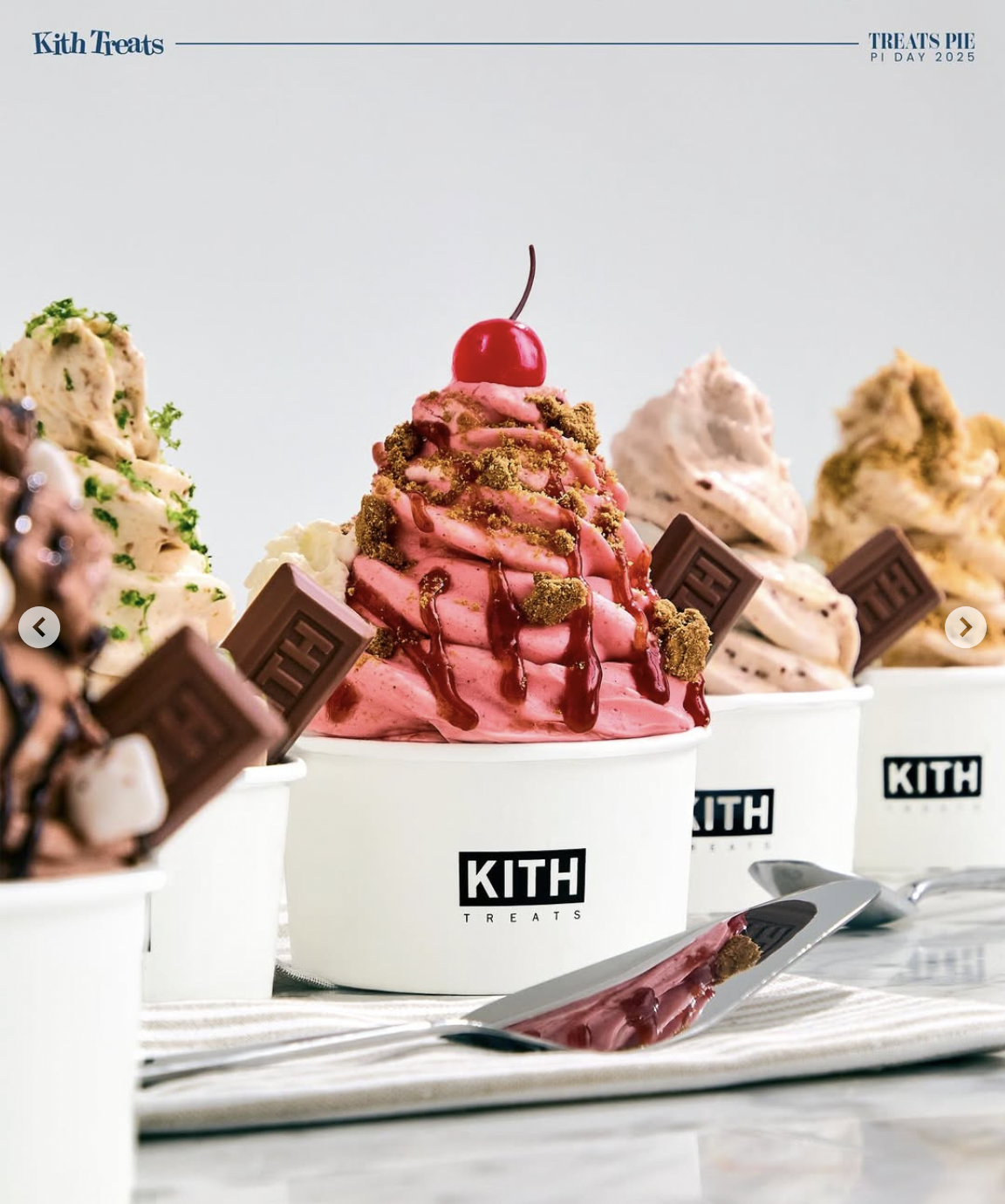
Kith Treats Soft Serve Ice Cream
Strategic Challenges Behind the Lifestyle Pivot
While the move into lifestyle experiences is exciting, it also comes with challenges, especially for independent or growing brands:
Cost & Operations: Running a café, gallery, or studio demands an entirely different operational model and skillset.
Consistency: Maintaining a coherent brand identity across apparel, food, and physical spaces requires careful management and standards.
Pricing & Perception: The ‘accessible’ aspect must be balanced because if the experience feels too commercial, it can dilute a premium brand’s positioning.
Lifestyle diversification only succeeds when the brand’s essence and its visual language, tone, and emotional promise remains cohesive across every channel.
When executed well, lifestyle experiences don’t distract from a brand’s fashion core. They generate content, community, and conversation and over time they trust that brand enthusiasts will turn into loyal customers.
