Demi-Fine Jewellery: The new rules to win in the most crowded market segment
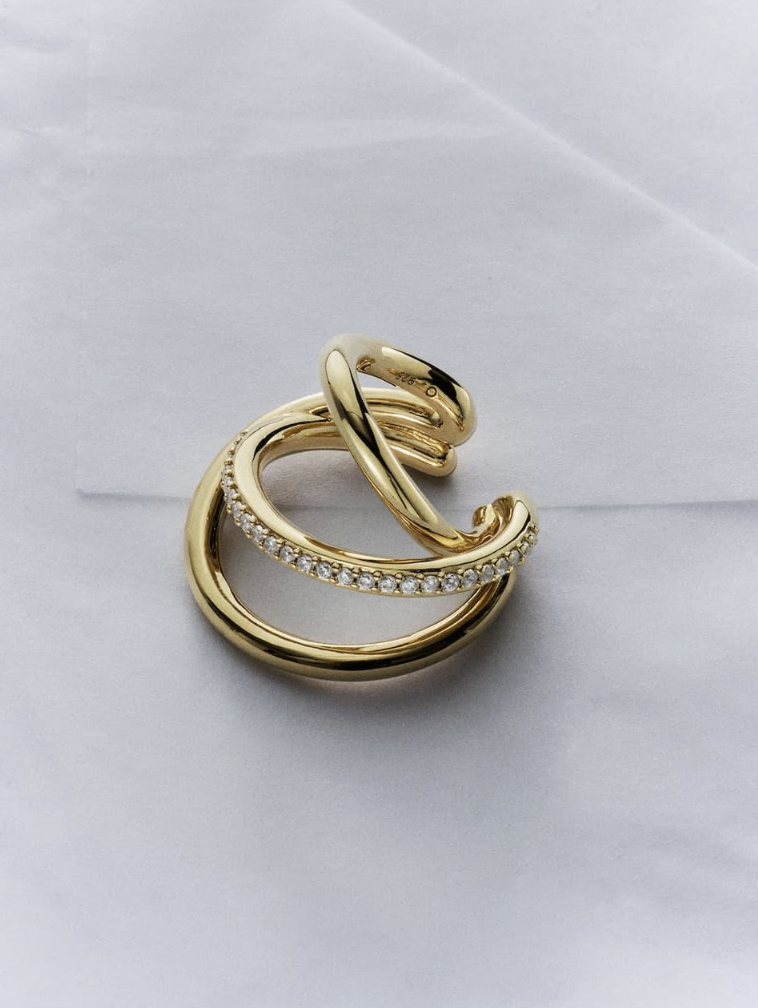
The demi-fine opportunity in jewellery looks very attractive right now. Growing market. Strong consumer appetite. The number of British brands operating in this tier has grown sharply over the past decade, and demand from younger buyers for everyday pieces in gold vermeil and sterling silver is genuinely strong.
The problem is that none of this is a secret.
Demi-fine has gone from an under-utilised gap to one of the most populated tiers in British jewellery in under a decade. Monica Vinader effectively created the category in its modern form, launching from Norfolk in 2008 with engravable gold vermeil pieces at a time when the space between £20 costume jewellery and £500 fine jewellery was largely empty. Missoma followed. Then Astrid & Miyu, Edge of Ember, Otiumberg, Mejuri and dozens of independent designers who capitalised on exactly the same gap. McKinsey and Business of Fashion noted in their State of Fashion 2026 report, jewellery is forecast to be the fastest-growing category in fashion by unit sales through to 2028, growing at roughly four times the rate of clothing. When a category grows that visibly, it attracts capital, competition, and copycats in roughly that order.
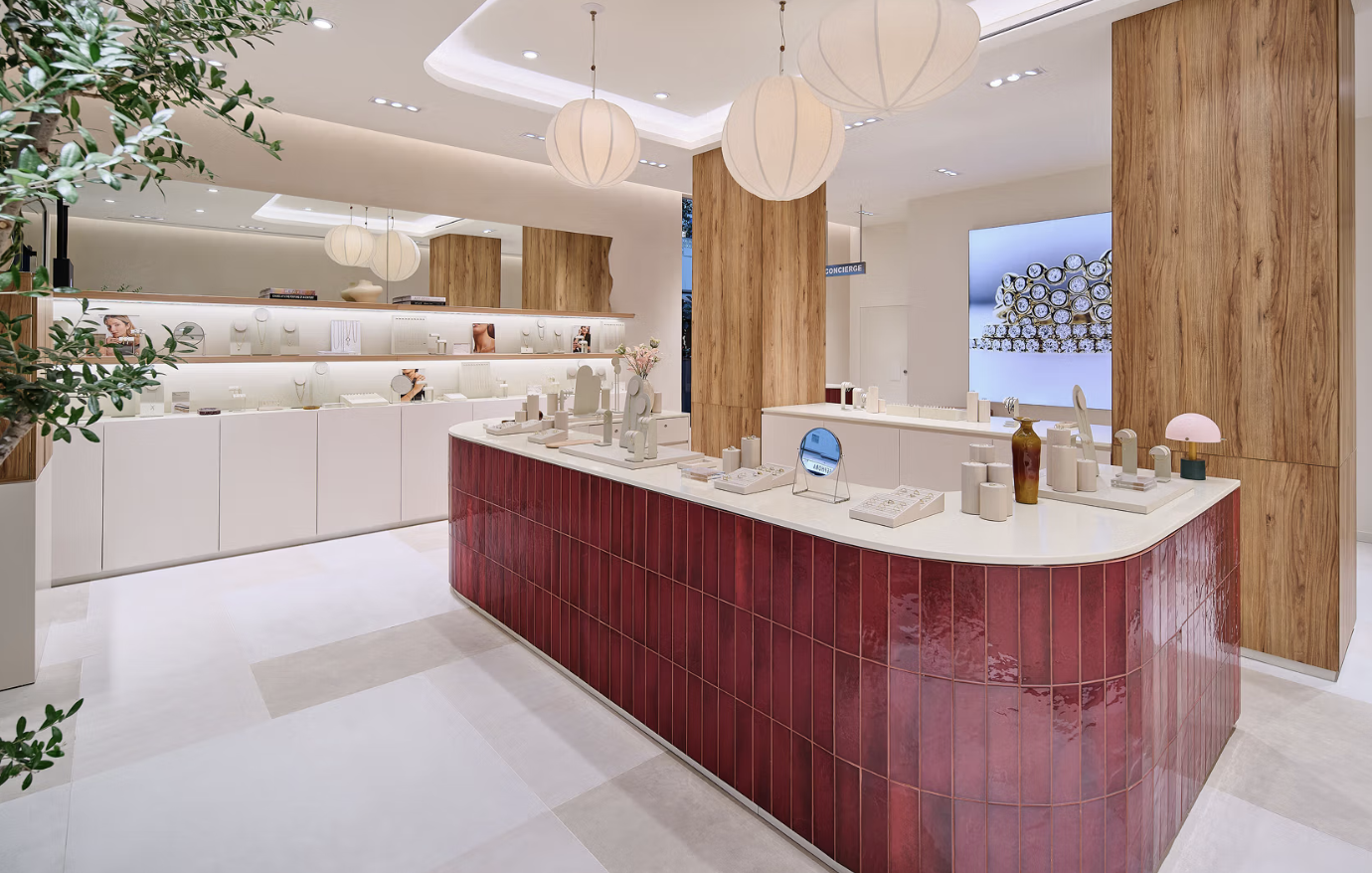
Mejuri, Al Rei Store
So the question worth asking, if you are building a brand in this space, is not whether there is demand. There is. The question is whether your brand has anything to say that makes a buyer choose you over the seven other beautifully photographed, sustainably sourced, personalisation-forward brands in the same Instagram feed.
Most do not. That is not a criticism so much as an observation about what happens when a category matures. The first wave of demi-fine brands won by showing up. The next wave won by doing it better. The brands building now need a reason to exist that goes beyond accessible price point and sustainable materials, and a lot of them are still looking for it.
The sustainability story is no longer a differentiator
You can see how compressed positioning has become by observing the ubiquitous way brands talk about their materials. Recycled gold, conflict-free stones, responsible sourcing, B Corp certification if they can get it. These were genuine differentiators five or six years ago, when sustainability was a brand story rather than a category standard. It’s just good corporate responsibility now, not a marketing angle.
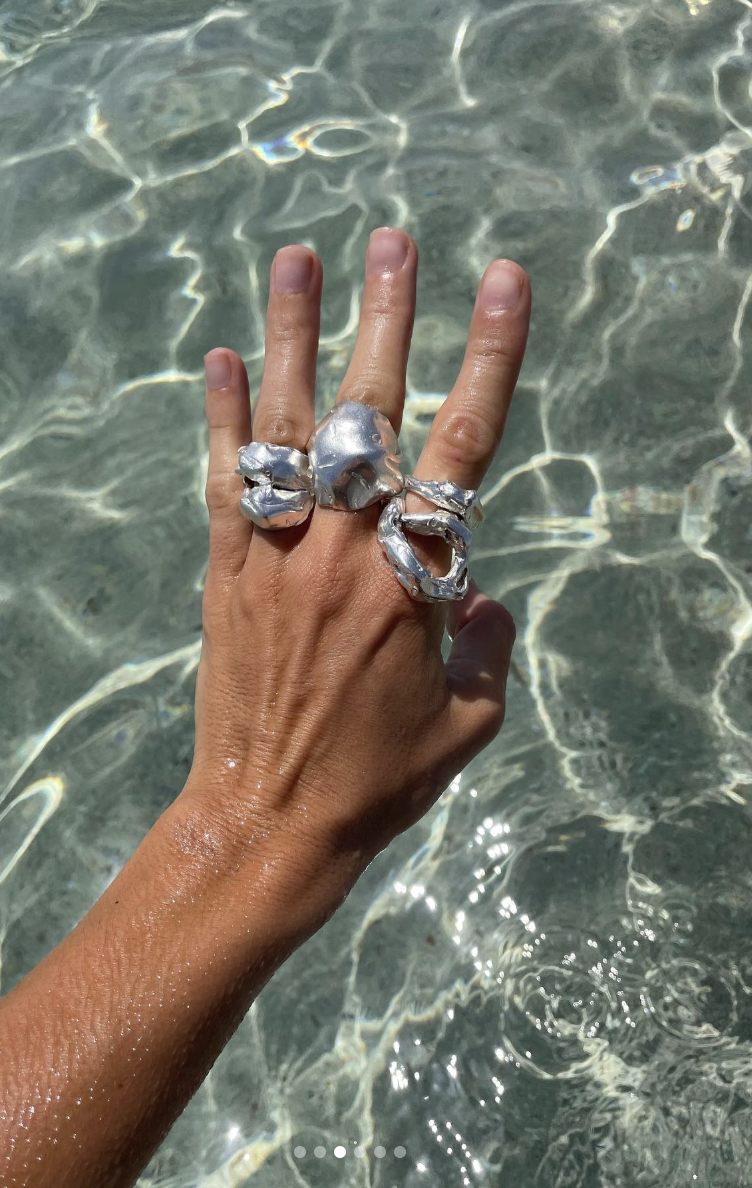
The new brands cutting through in this tier right now are likely sustainable, but the reason for their success is more than that; we see rising stars with a genuinely distinct design point of view, or a process that gives the work a quality no one else can replicate. Simuero is a good example: a Valencian duo, Rocío and Jorge, who design and make every piece themselves in limited runs, with an aesthetic rooted in organic form and visible maker's marks. Their lost wax casting methods embrace imperfections & create one-of-a-kind textures, even capturing the maker’s fingerprints in metal.
The gold price problem is hitting demi-fine harder than most
Gold touched over £4,000 per ounce earlier this year, roughly doubling in sterling terms over two years. According to the World Gold Council, global jewellery demand by volume fell to a five-year low in 2025 even as the total value of that demand hit a new record. Essentially, fewer pieces sold, but at higher prices. The maths on gold vermeil has not shifted as drastically as solid gold, but margin pressure is real and accumulating.
Brands in the £80 to £350 range are being squeezed from both sides. Material costs are up and the buyers in that bracket are also the ones whose behaviour has changed most visibly: analysts are describing a clear premiumisation shift, with consumers spending more per piece but buying fewer of them. Unit sales are falling below £1,500, but fine jewellery sales above this price point are rising. For a demi-fine brand sitting at a £120 average order value, that is a genuine signal of concern.
The brands navigating this well are either quietly repositioning upward, introducing solid 9ct or 14ct gold pieces, or tightening their range rather than broadening it. Fewer SKUs and more considered ranges drives higher cash-per-option. Both approaches sit well with the current consumer appetite for intentional purchasing. What won’t work is absorbing margin hits silently or discounting to hold volume. Both are happening in this category right now, and both will be quietly destructive.
Where the actual white space is
The category is crowded in a specific way: brands offering gold vermeil and sterling silver, personalisation options, recycled materials, and clean aesthetics aimed at women roughly 28 to 50. This is a real and sizeable market. It is also a very thoroughly described one.
The less populated parts of UK demi-fine include men's jewellery, which remains underdeveloped despite real shifts in how younger men are buying and wearing jewellery. Genuinely considered coloured stone work at accessible price points, (not the birthstone-and-engrave formula) is less saturated than trend reports suggest. And brands with a credible craft, distinct handwriting or cultural origin story, something that cannot simply be adopted by a competitor, are finding loyal customers that lifestyle positioning alone does not produce.
Walpole's 2026 Brands of Tomorrow cohort skews noticeably towards authenticity of origin and craft heritage: brands with a specific regional or material story that cannot be copied by anyone who does not share it will be the winner’s of tomorrow.
The strategic question to sit with
If you are running or building a brand in this tier, the useful question is not "should we be in demi-fine?" It is: what would we lose if we removed the accessible price points from our brand story? If the answer is most of it, the positioning needs work. The brands winning in this category are the ones that can tell you exactly why a customer buys them rather than Missoma, or Monica Vinader, or the brand that launched last month with nearly identical photography. Not better, just different. Concretely, specifically different, in a way the right customer recognises before you have to explain it.
The market is growing. That part is true. But growing markets do not automatically reward the brands that show up. They reward the brands that are moving the category forward & innovating.
If you are working through these questions and would find it useful to talk them through with someone who works in this sector every day, I offer a free discovery call for brands at any stage. No pitch, just a conversation about where you are and whether there is something worth exploring together. You can book one here.
