Two designers, from Melbourne and the Gold Coast, on sourcing, selling and how the cities differ
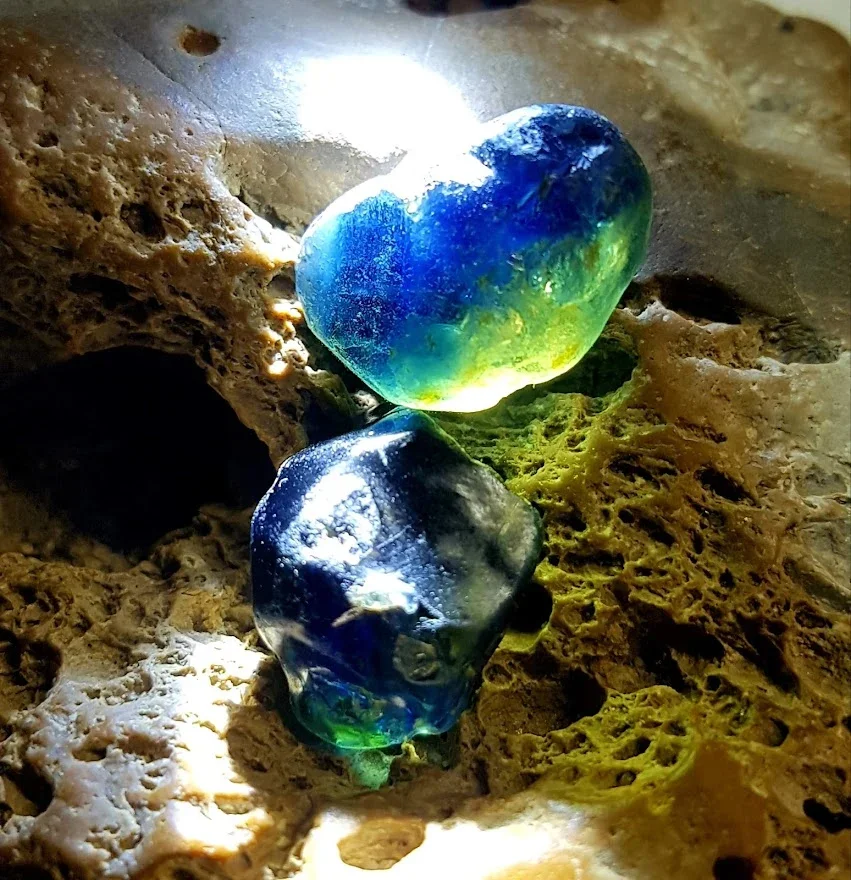
Raw Australian Parti Sapphire
Australian jewellery has been finding its way into conversations in London, and it's not hard to see why. The country holds some of the most distinctive gemstones in the trade, from the sapphires of Queensland to the opals of Lightning Ridge, Australia's bold and beautiful gemstones feel increasingly special in a world of lab grown perfection.
Australia's Unique Stones
Jeweller's looking for unusual stones with a story are naturally drawn to Australia's offerings, Melbourne-based Bianca Librandi of White November Jewellery says ‘I have a soft spot for parti sapphires, that turn green into yellow into blue in one stone.’
Bianca knows the local dealers personally and often gets first dibs on the best stones. ‘Being able to sit with a parcel in person before anyone overseas has seen it, that’s a real advantage and I don’t take it for granted.’ Her own sourcing has taken her to the fields: ‘I went up to Sapphire, Rubyvale and Emerald in Central Queensland and spent two days fossicking, and came home with about fifty little sapphires! I had them cut into fancy shapes, baguettes and tiny emerald cuts, and they’ve ended up in some of my best sellers.’ Sourcing her gemstones locally allows her customers to connect with the provenance of their jewellery, ‘My clients love that the stone has a postcode! Someone will come in for a sapphire and leave asking which field it came out of, and I’m starting to know the fields myself!’ White November's designs are inspired by 1920s architecture and by her mother's collection of antiques and vintage pieces, which filled the home she grew up in. She says designing is freer in Australia, as ‘We don’t have 300-years of Bond Street looking over our shoulder, so people are braver about mixing eras and metals and stones.’
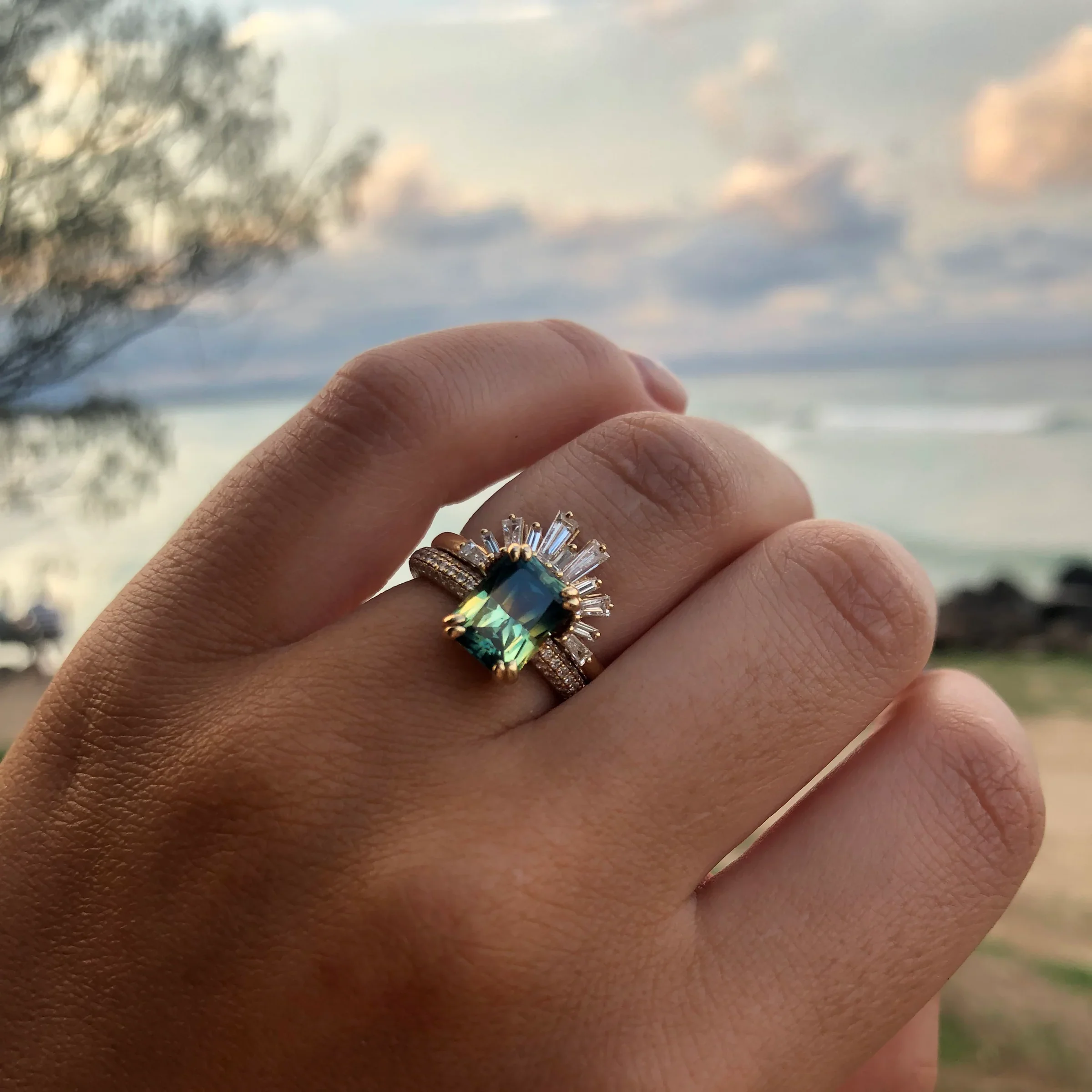
Across the country on the Gold Coast, Samantha Starling of Urth & Flame has continued the gem-sourcing conversation, She says ‘Australian jewellery is unique because of the stones we have and the deep connection to land that many Australians embody through their creative work.’ Urth & Flame creates one-off and bespoke pieces rooted in earth and element, a reflection of her belief that jewellery is ritual. Samantha says her gemstones have a known journey and ‘haven’t passed through many hands before getting to me’. Her preferred stones are fossicked or mined responsibly in Australia, often by smaller family-run miners. Samantha says it is ‘super important to create with stones from the land I’m living on, working on and honouring in my practice.’ Urth & Flame plans to keep making one-off pieces with Australian sapphires, along with engagement and wedding ring sets inspired by earth, air, fire and water.
While Australian designers have long had access to some remarkable natural stones, a growing number are finding new ways to make them central to their brand identities. A few Australian names are beginning to head our way, among them Seb Brown, who founded his label in Melbourne in 2009. His signet rings scattered with tiny colourful gemstones are favourites, stocked in Liberty, Dover Street Market and the Seoul location of 10 Corso Como.
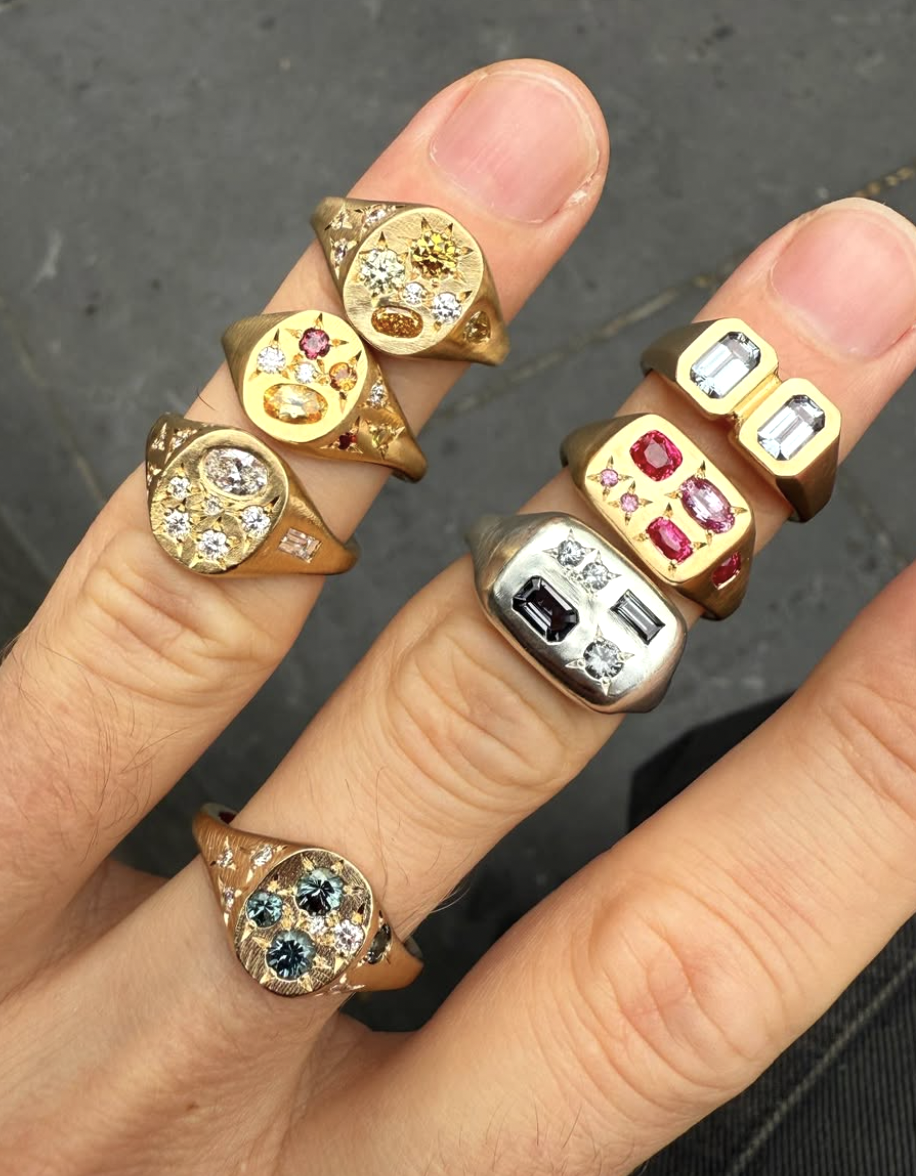
Seb Brown’s Signets
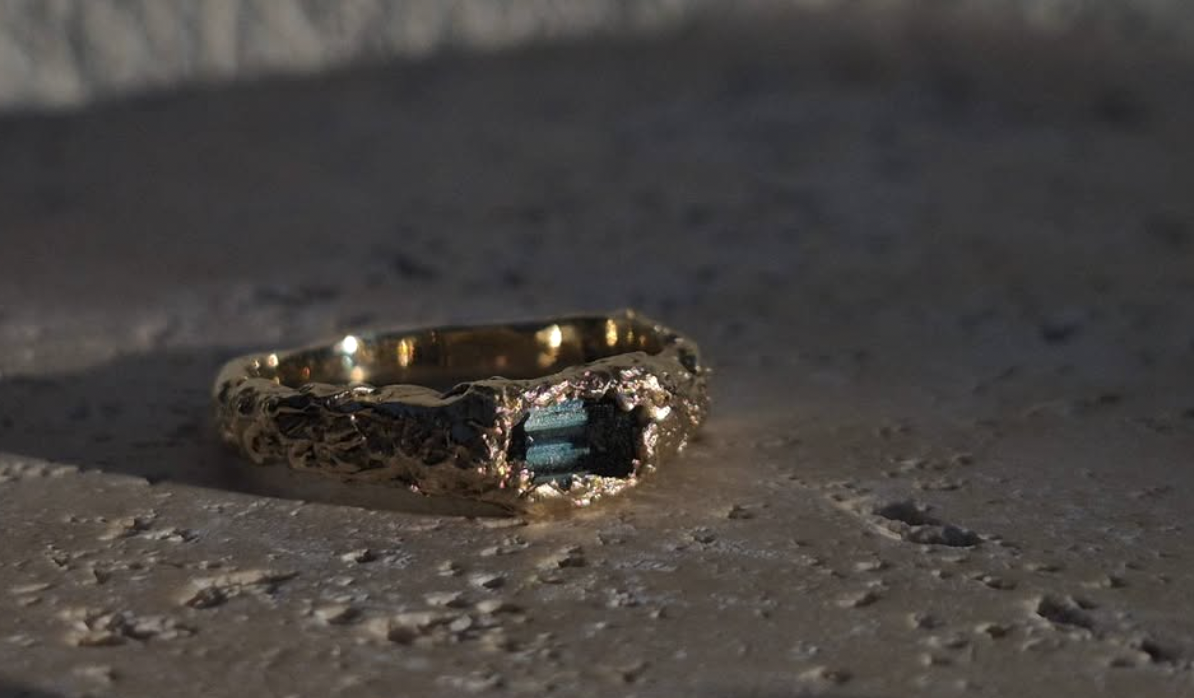
Whilst LRM Jewellery, designed by Lauren MacPhail of the Gold Coast is now stocked by Tomfoolery and her liberal use of bold Aussie opals and sapphires in molten settings have gained her a cult instagram following. Lauren designs her rings using the lost wax method and shares the pre-casting wax version of her designs on instagram for her followers to select and have cast as a one-of-a-kind piece - A brilliant way to reduce the risk of precious materials being tied up in stock not yet sold.
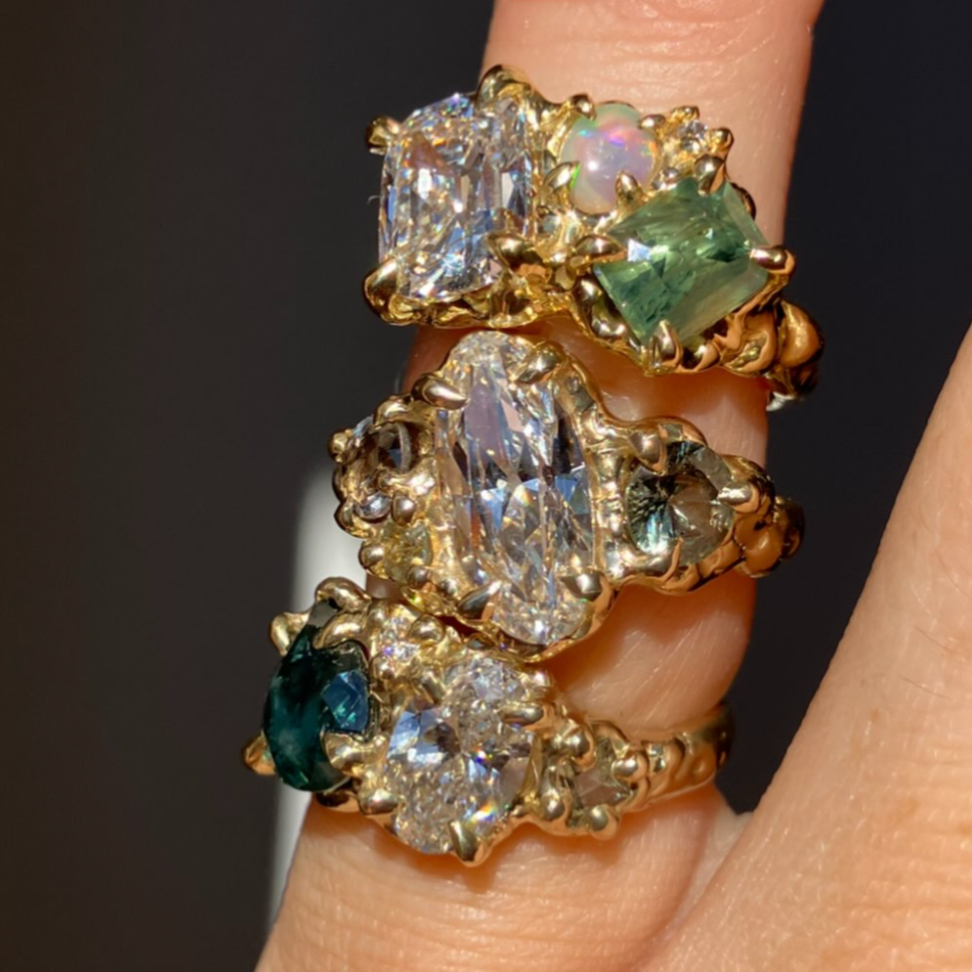
Lauren MacPhail
Australian Opal has increased in popularity with jewellers over the last few years, and Samantha says that ‘Opals are really stealing the spotlight at the moment!’ Rapaport reported in October 2025 that Dior, Chaumet and Tiffany & Co. all featured opal in their fine jewellery collections that year. However, Margot McKinney, the Queensland designer who's family has had ties to the trade for generations has always championed Opal in her work and Mckinney shows no signs of slowing down, having opened her first New York store on 5th Avenue last week. Margot describes how opal’s shifting colours and iridescence inform her work, using the stone as a starting point for compositions that evoke the expansive colours, textures and richness of the Australian landscape. Due to the dry, arid conditions needed for Opal to form, 90-95% of the worlds supply comes from Australia. Each region has its speciality type, with Boulder Opals found in Queensland. White Opal in Southern Australia and the rarest form, Black Opal found in New South Wales.
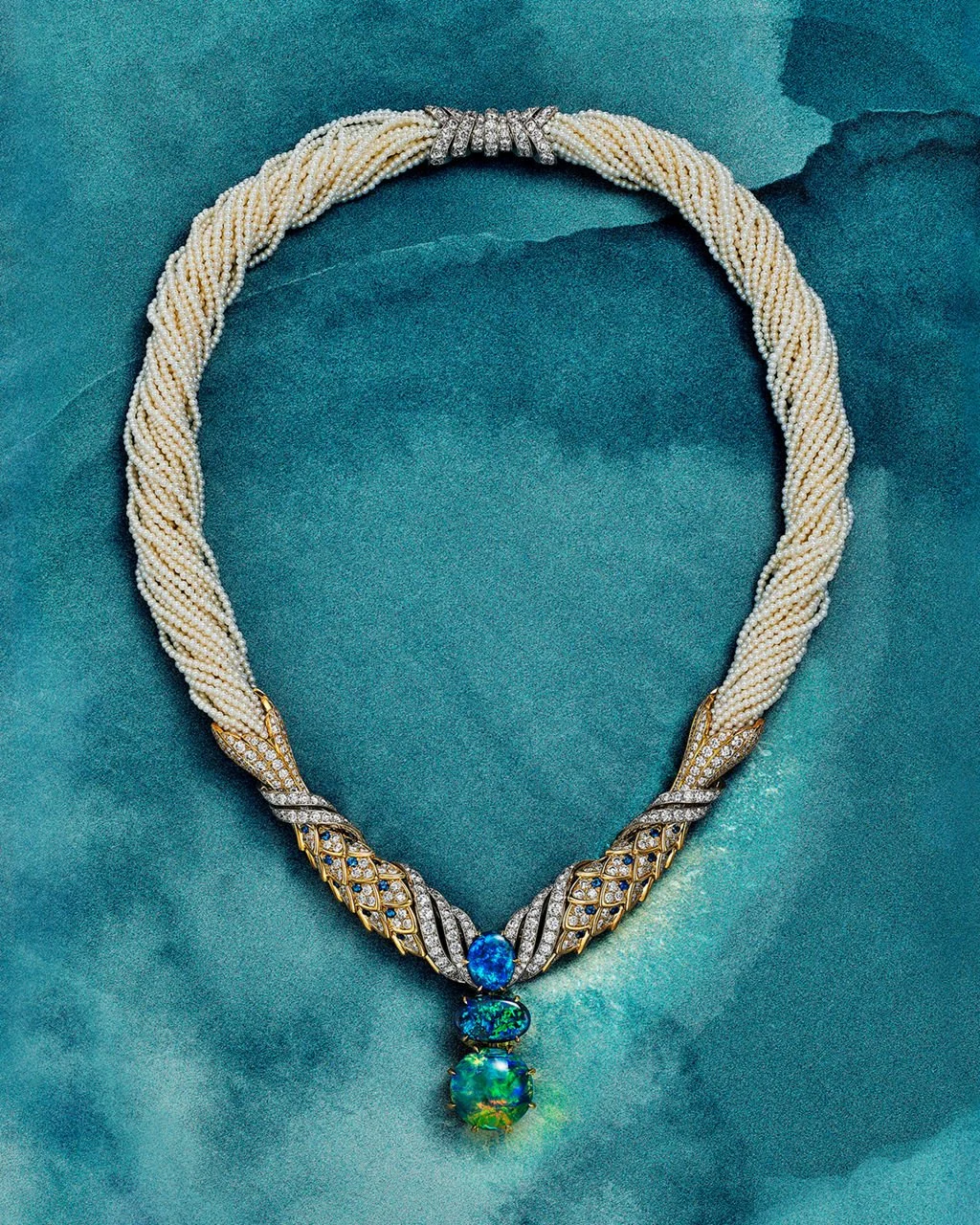
Margot McKinney
It's also important to note that South Sea Pearls are just as central to Margot's work as Opal. In Australia, South Sea pearls are treasured for shaping coastal history and encouraging strict marine conservation around the wild oyster beds, Australia holds some of the world's last major beds of wild Pinctada maxima oysters, which are managed under strict licence and quota systems. Because healthy oysters require clean, nutrient-rich waters in regions like the Kimberley coast, pearl farming incentivises protecting marine habitats. On the global market, they stand at the pinnacle of the pearl trade as the largest, rarest, and most valuable cultured pearls, prized for their thick nacre, durability, and rich white, silver, and golden hues. When discussing her new NYC boutique, She told JCK this month that there are ‘extraordinary stories behind every one of my jewels, from the gemstones and Australian South Sea pearls to the people who helped bring each creation to life’ and that ‘When one reflects on the fact that pearls are the only gem emanating from a living organism each one really is a miracle to behold.’
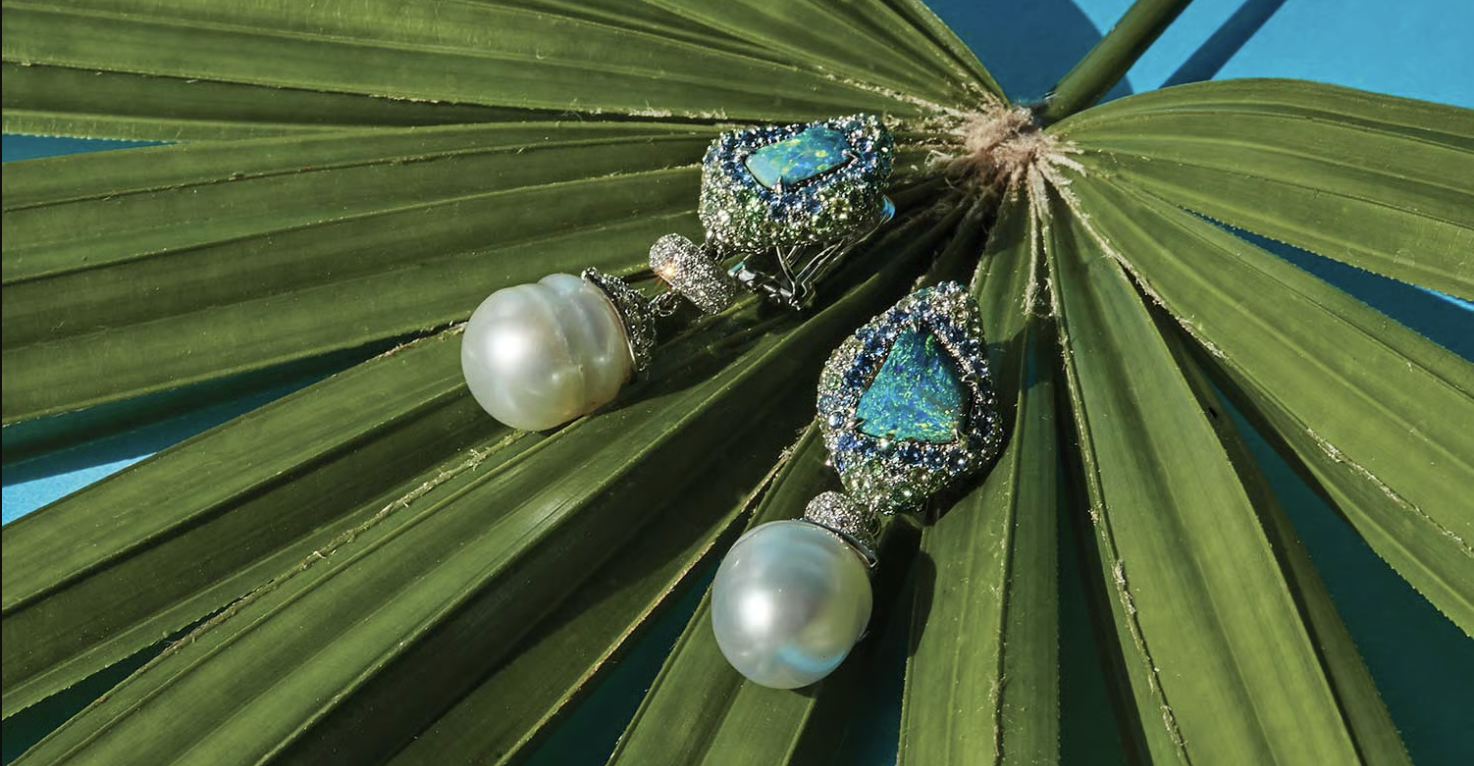
Margot McKinney
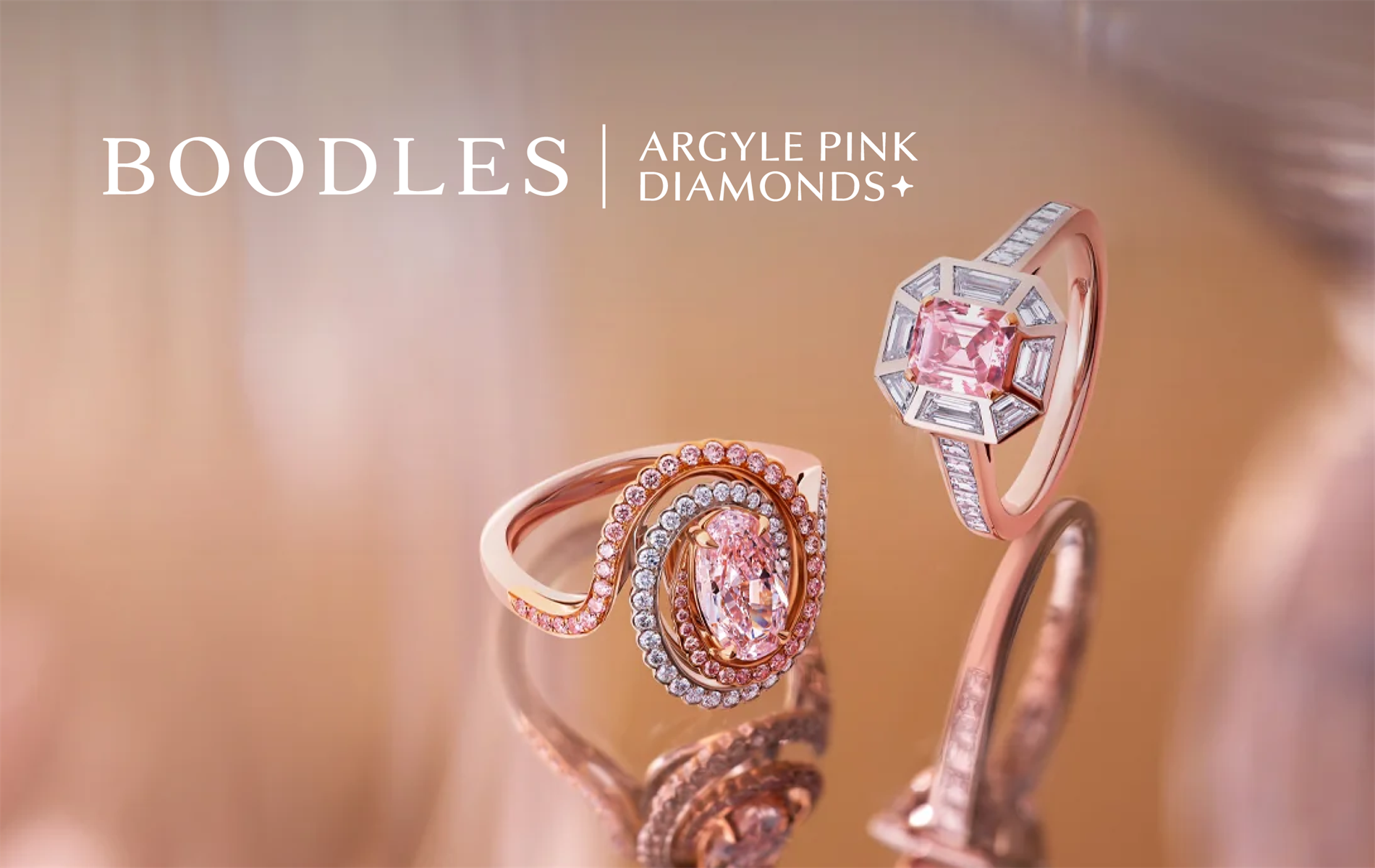
One of the most treasured jewels from Australia are the Argyle pink diamonds which tell a more bittersweet story. The Argyle mine, in East Kimberley, produced more than 90 per cent of the world’s pink diamonds before it closed in November 2020, and on 1 October this year Rio Tinto sold the Argyle Pink Diamonds brand, along with its last remaining stones, to the London jeweller, Boodles. Boodles is planning a high-jewellery collection around them for 2027 and says there are enough stones to release slowly over about a decade, which means the story of the last Argyle pink diamonds will now be told from London.
A Tale of Two Cities
Australia's jewellery scene is not defined by its gemstones alone. Its different cities have their own creative identities, something that becomes clear when speaking to designers working across the country. Ask about Melbourne and Sydney to those at opposite ends of the country and you hear a similar story. ‘Melbourne is a studio city,’ says Bianca, with jewellers up a flight of stairs in an old CBD building, clients by appointment, and a feeling that is ‘a bit like a secret.’ The work leans architectural and considered, sometimes a little moody, while Sydney is ‘brighter and glossier … If you want the big moment, Sydney. Generalising wildly of course!’ she says.
Samantha sees it much the same way, finding that Sydney jewellers excel at classic fine jewellery while Melbourne is artier and edgier. In an interview with Liberty, Seb Brown described Melbournians as ‘obsessed with the next-new-undiscovered thing … so there’s constant influence and change. There’s a strong desire for understated luxury pieces, which my client base really appreciates.’
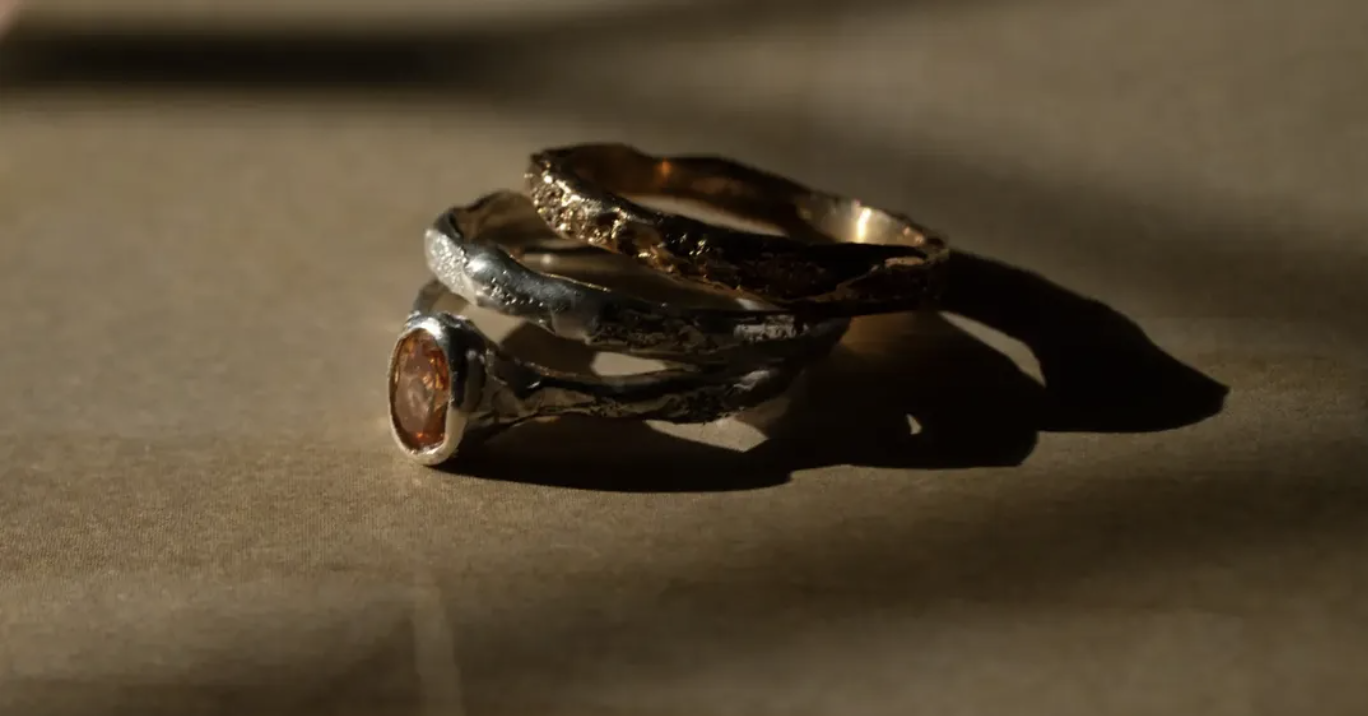
Meanwhile on the Gold Coast, about a 10-hour drive north of Sydney, Samantha describes her hometown as a beautiful mix of everything and slightly alternative. The energy is bohemian, from the chunky silver and big crystals at beach markets to the Indigenous artists sharing their culture through jewellery. For all their differences, there is a sense of connection across the Australian jewellery community. Much like the close-knit industry in the UK, Samantha says ‘jewellers in Australia have always been really kind and open. I’ve had many wonderful interactions, where we help each other out and give each other advice.’
Selling at a Distance
For independent designers in Australia, the long distance from the established European and American markets brings commercial challenges. Asked whether there are enough opportunities at home, Bianca answers, ‘Honestly, no.’ As an apprentice she went to trade fairs in Paris and Germany, where the opportunities ‘seemed endless compared to here’. However, Bianca refuses to let this stop her, she says ‘that’s made us resourceful. You build your own audience and you learn to sell a ring over a phone call, email and a few photos’.
Both designers I spoke with have a direct-to-consumer business model, White November runs through the website, showroom by appointment and Instagram. Bianca says ‘Nearly everything starts on Instagram for me. I’ve built about 54,000 followers without paying for a single one of them, and that’s still how most people find the brand … If you’re a British customer looking for an Australian jeweller, that’s where we all live.’ Urth & Flame also enjoys selling through fairs & markets, which are plentiful on the tourist coast. ‘The Australian client is becoming more interested in the person behind the jewellery now,’ Starling says, and they want something imbued with the maker’s intention, so face-to-face selling is returning.
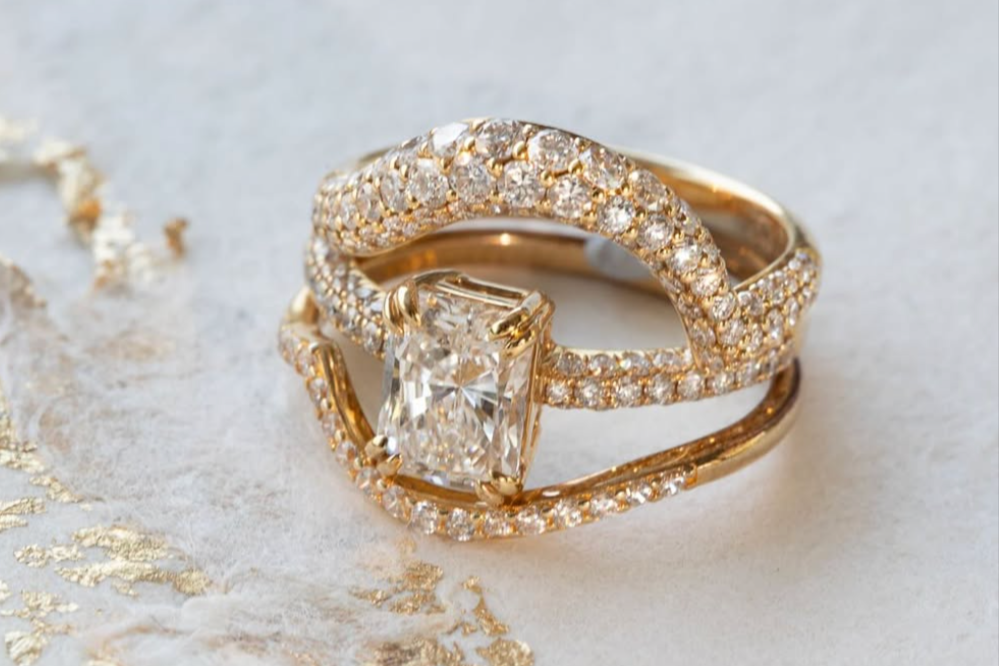
Bespoke work is busy for both, which will sound familiar in the UK, as brides-to-be want something personal and rising metal prices are guiding more to the recycling and remodelling of inherited jewellery. Although Bianca's bread-and-butter is bespoke commissions, it's her ready-to-ship collection that she would like to grow, because, as she puts it, ‘there are only so many hours at the bench.’
From the colour-shifting sapphires of Queensland to the opals of the outback, Australia's natural gemstones offer an extraordinary starting point for jewellery design. But it is the designers bringing these materials to life, with their own interpretations, sourcing stories and creative communities, that make the scene particularly interesting. I plan to keep a sharp eye on Australia as more of their homegrown names find their way onto the international stage, there's plenty more to discover down under.
